What is uninsured motorist coverage?

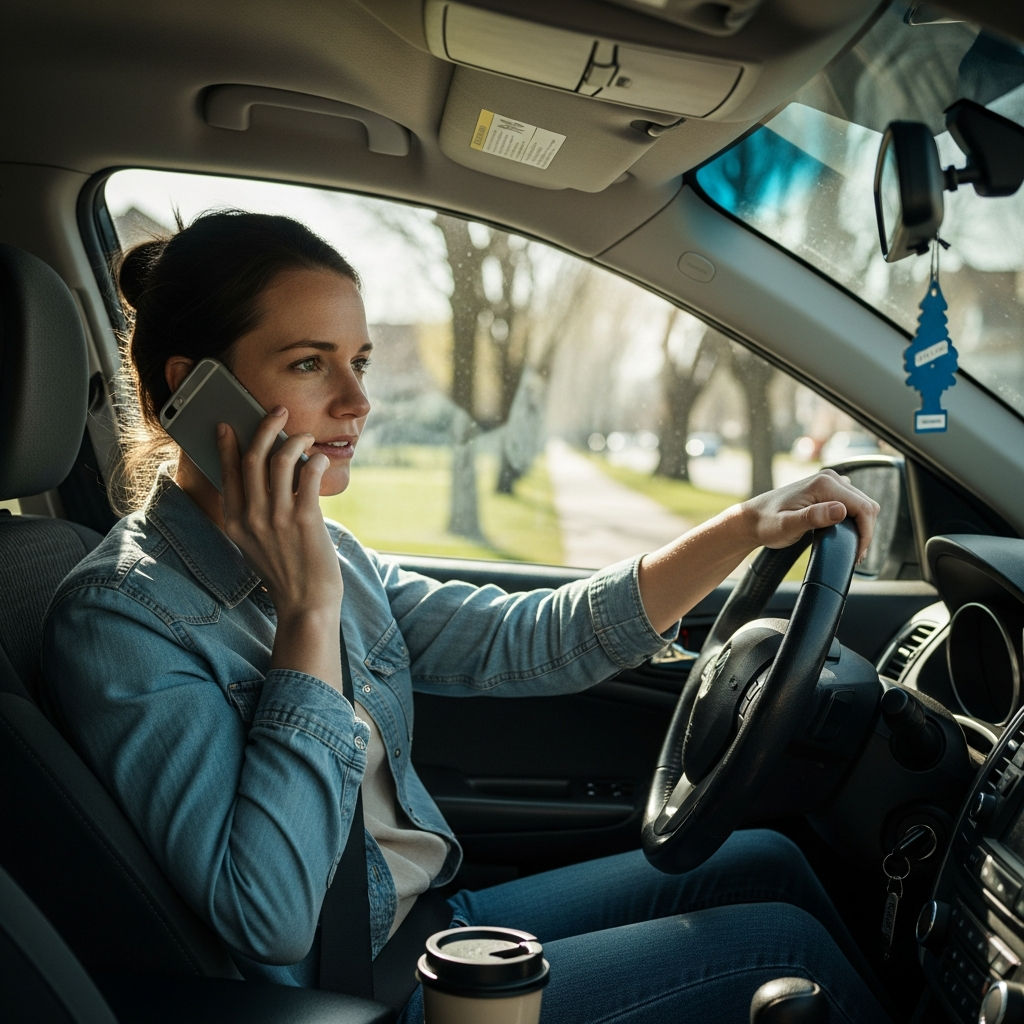
Picture this: you’re sitting at a red light, scrolling through your playlist (don’t worry, we’ve all been there), when BAM – someone rear-ends you hard enough to spill your coffee all over your lap. You’re shaken but okay, thankfully. You both pull over, exchange the usual pleasantries about how sorry everyone is, and then comes that moment we all dread…
“Um, I don’t actually have insurance right now.”
Your stomach drops. Because here’s the thing – you did everything right. You’ve got full coverage, you pay your premiums on time, you even spring for that fancy rental car coverage. But none of that helps when the other driver doesn’t have a dime to their name, let alone insurance.
Welcome to one of those adulting moments nobody really prepares you for.
Here’s what’s wild – about 13% of drivers on the road right now are cruising around without insurance. That’s roughly 1 in 8 cars you pass on your morning commute. In some states, it’s even higher. Way higher. And while you can’t control what other people do (wouldn’t that be nice?), you can absolutely control how prepared you are when life throws you this particular curveball.
That’s where uninsured motorist coverage comes in. And honestly? It’s one of those insurance things that sounds boring until you need it – then it becomes the most beautiful thing in the world.
Now, I know what you’re thinking. “Great, another insurance product someone’s trying to sell me.” But hang on – this isn’t about upselling you on something you don’t need. This is about understanding a safety net that could literally save you thousands of dollars and months of headaches. Because when you’re dealing with medical bills, car repairs, and lost wages after an accident, the last thing you want to discover is that the person who caused it all can’t pay for any of it.
Think of uninsured motorist coverage as your financial bodyguard. It steps in when the other driver can’t (or won’t) take responsibility for the mess they’ve made. And it’s not just for the obvious uninsured drivers – it also covers you when someone hits you and then vanishes into thin air. You know, those charming folks who decide a hit-and-run is their best option.
But here’s where it gets interesting… not all uninsured motorist coverage is created equal. Some policies cover just your medical bills, others include your car repairs, and some even help with things like lost wages when you’re too banged up to work. Some states require it, others make it optional, and a few don’t offer it at all. It’s like a choose-your-own-adventure book, except the adventure is protecting your financial future.
The tricky part? Most people don’t really understand what they have (or don’t have) until they’re sitting in that insurance office after an accident, learning that their “full coverage” maybe isn’t as full as they thought. And that’s totally normal – insurance policies aren’t exactly bedtime reading material.
That’s why we’re going to break this whole thing down together. We’ll talk about what uninsured motorist coverage actually covers (spoiler: it’s more than just covering for uninsured drivers). We’ll figure out how much you might need – because buying too little is almost as bad as having none at all, but buying too much is just money down the drain. We’ll look at what this actually costs (hint: it’s probably less than you think), and how to decide if you even need it based on where you live and what you drive.
Most importantly, we’ll help you avoid that sinking feeling of discovering you’re not as protected as you thought you were. Because while we can’t control the other drivers out there, we can definitely control how prepared we are when they inevitably do something… well, let’s just say “less than ideal.”
Ready to become the kind of person who actually knows what their insurance covers? Let’s figure this out together.
The Reality Check You Didn’t Want
Here’s the thing nobody tells you when you’re shopping for car insurance – you’re not just protecting yourself from your own mistakes. You’re also protecting yourself from everyone else’s. And honestly? That’s where things get a little… complicated.
Picture this: you’re driving home from work, minding your own business, when someone runs a red light and slams into your car. Plot twist – they don’t have insurance. Or maybe they do, but their coverage is so bare-bones it wouldn’t cover a bicycle accident, let alone your totaled SUV and medical bills.
This is where uninsured motorist coverage steps in like that friend who always has your back, even when you didn’t know you needed them.
Breaking Down the Insurance Alphabet Soup
Uninsured motorist coverage – or UM coverage if you want to sound like you know what you’re talking about – is basically insurance for when the other person’s insurance doesn’t exist or isn’t enough. Think of it as your safety net beneath someone else’s broken safety net.
But here’s where it gets a bit confusing (and honestly, the insurance industry doesn’t make this easy). UM coverage actually comes in two flavors
Uninsured Motorist Bodily Injury (UMBI) covers your medical expenses, lost wages, and pain and suffering when an uninsured driver hurts you. It’s like having a backup generator for your medical bills.
Uninsured Motorist Property Damage (UMPD) handles the damage to your car when an uninsured driver hits you. Though – and this is where things get weird – not every state even offers this type. Some states figure your collision coverage should handle car damage regardless of who caused it. Makes sense, sort of… until you remember that collision coverage comes with a deductible.
The Underinsured Plot Twist
Now here’s something that’ll make your head spin – underinsured motorist coverage. This is separate but related, like a cousin to uninsured coverage.
Let’s say someone hits you, and they do have insurance, but their policy limits are embarrassingly low. Like, $25,000 when your medical bills alone are $75,000. Their insurance pays their measly limit, and then… what? You’re stuck holding the bag for the remaining $50,000?
That’s where underinsured motorist coverage kicks in. It’s essentially insurance for when someone else’s insurance isn’t enough. Which, let’s be honest, happens more often than you’d think.
Why This Even Exists (Spoiler: People Are Terrible at Adulting)
You might be wondering why we need special coverage for uninsured drivers in the first place. I mean, isn’t car insurance required by law?
Well, yes. In almost every state, you’re legally required to carry at least some car insurance. But here’s the kicker – about one in eight drivers on the road right now doesn’t have it. That’s roughly 32 million people cruising around without coverage. In some states, that number jumps to one in four.
Some folks can’t afford it, others forgot to pay their premium, and some just… don’t think they need it until they do. It’s like assuming you’ll never get sick so you skip health insurance, except now their bad decision becomes your expensive problem.
The State-by-State Maze
This is where things get really fun (and by fun, I mean unnecessarily complicated). Each state handles UM coverage differently. Some states require you to have it. Others make it optional but require insurance companies to offer it. A few states don’t require it at all but allow insurers to sell it if they want.
And the coverage limits? They’re all over the map. Some states let you buy as little as $20,000 in coverage, while others require much higher minimums. It’s like a patchwork quilt made by someone who kept changing their mind about the pattern.
The really confusing part? In some states, your UM coverage can’t exceed your liability coverage. It’s as if they’re saying, “You can’t protect yourself better than you protect others.” Which… I guess makes sense from a philosophical standpoint, but feels pretty limiting when you’re trying to, you know, actually protect yourself.
When Your Own Insurance Becomes the Backup Plan
Here’s something that feels backwards at first – when an uninsured driver hits you, you’re essentially filing a claim with your own insurance company. Your insurer becomes responsible for covering what the other person’s non-existent insurance should have covered.
It’s like being your own backup dancer when the main performer doesn’t show up.
When You’re Shopping for the Right Amount
Here’s the thing most insurance agents won’t tell you upfront – you don’t want to just buy the minimum required by your state. I know, I know… another expense when you’re already watching every dollar. But think of it this way: if someone with no insurance totals your car and puts you in the hospital, that minimum coverage is like bringing a water gun to a fire.
Start with matching your uninsured motorist limits to your regular liability coverage. If you carry $100,000/$300,000 in liability, get the same for UM coverage. It’s usually dirt cheap to bump it up – we’re talking maybe $50-100 more per year. Compare that to what you’d pay out of pocket for a serious accident, and… well, you do the math.
The Sneaky Differences Between UMBI and UMPD
Most people lump these together, but they’re actually quite different animals. Uninsured Motorist Bodily Injury (UMBI) covers your medical bills, lost wages, and pain and suffering when the other driver can’t pay. This one’s crucial – medical bills can spiral into six figures faster than you’d believe.
Uninsured Motorist Property Damage (UMPD)? That’s for your car and belongings inside it. But here’s where it gets tricky… UMPD often comes with a deductible (unlike UMBI), and honestly? If you already have comprehensive and collision coverage, you might be doubling up. Your collision coverage will fix your car regardless of who’s at fault.
Some states don’t even offer UMPD, and frankly, that’s not necessarily a bad thing. Focus your money on maximizing that UMBI coverage instead.
Reading the Fine Print (Yes, You Actually Should)
I’ll keep this painless, promise. But there are a few landmines buried in these policies that could bite you later
Stacking vs. Non-Stacking: If you have multiple cars, stacking lets you combine the UM limits across all vehicles. So two cars with $50,000 each = $100,000 total coverage. Non-stacking means you get $50,000 max, period. Stacking costs more but… it’s usually worth it if you can swing it.
The “Other Insurance” clause: This determines whether your UM coverage pays first or fights with your health insurance over who pays what. Primary coverage jumps in immediately; excess coverage waits until your health insurance maxes out. Primary costs more but eliminates the headache of insurance companies playing hot potato with your bills.
What Counts as “Uninsured” Isn’t Always Obvious
You’d think this would be straightforward – driver has no insurance, right? But insurance companies have expanded this definition, and it actually works in your favor
Hit-and-run drivers automatically qualify, even if they might’ve had insurance. That drunk driver who rear-ended you at 2 AM and fled the scene? Your UM coverage has you covered. Someone with a fake or expired policy? Counts as uninsured. A driver whose insurance company goes belly-up and refuses to pay claims? Yep, that triggers UM coverage too.
The Claim Process Reality Check
When you do need to use this coverage, you’re essentially filing a claim against your own insurance company for someone else’s screwup. Sounds weird, but it’s actually better than you might think. Your insurer has a vested interest in keeping you happy (you know, so you keep paying premiums).
Document everything like your life depends on it. Photos, police reports, medical records, witness statements – the whole nine yards. Your insurance company will investigate just like they would any other claim, but since you’re their customer, they’re generally more cooperative than some stranger’s insurance company would be.
The State-by-State Gotchas
Some states require UM coverage, others make it optional, and a few (looking at you, New Hampshire) live dangerously with no requirements at all. But here’s what really matters: even if your state doesn’t require it, you probably should get it anyway.
In no-fault states like Florida or Michigan, your UM coverage works differently – it might only kick in for serious injuries or permanent disabilities. And if you move states? Your coverage moves with you, but it follows your new state’s rules.
The bottom line? This isn’t just another insurance upsell. It’s financial protection against the harsh reality that about 13% of drivers out there are rolling the dice without coverage… and hoping they don’t hit you.
When Your Own Insurance Company Becomes the “Bad Guy”
Here’s something that catches people completely off guard – and honestly, it’s pretty messed up when you think about it. When you file an uninsured motorist claim, you’re essentially suing your own insurance company. The same folks you’ve been paying premiums to every month? Yeah, they’re now on the opposite side of the negotiation table.
This creates this weird psychological hurdle that nobody warns you about. You expect your insurer to have your back, but suddenly they’re treating your claim like… well, like they’re protecting their own money (which, let’s face it, they are). They’ll question your injuries, your medical bills, even whether you’re telling the truth about how the accident happened.
The solution? Adjust your expectations from day one. Your insurance company isn’t your friend in this situation – they’re a business protecting their bottom line. Document everything, get medical attention immediately even if you feel “fine,” and don’t accept the first settlement offer. Ever.
The Phantom Driver Problem
You know what’s absolutely infuriating? Hit-and-run accidents where you never even see the other driver. Your car’s totaled, you’re hurt, and… now what? Some people assume uninsured motorist coverage won’t help because there’s no “uninsured driver” to point to.
Wrong. But here’s the catch – you need to prove the accident actually happened and that another vehicle caused it. Insurance companies have seen every scam in the book, so they’re skeptical of single-car accidents that “must have been caused by someone else.”
The key is immediate action. Call the police right away, even for minor damage. Get witness contact information – seriously, chase people down if you have to. Take photos of everything: your car, the road, skid marks, debris. If there’s a nearby business, ask about security cameras. I know it seems like overkill when you’re shaken up, but that evidence is gold later on.
The Medical Bills Avalanche
This one’s particularly cruel. You’re already dealing with injuries, and then the medical bills start piling up faster than you can process them. Meanwhile, your health insurance is demanding to know if this was an auto accident (because they don’t want to pay if someone else should).
Here’s where it gets tricky – you might need to pay out-of-pocket initially and get reimbursed later. Your health insurance might cover some costs but then demand reimbursement from your settlement. It’s like financial whack-a-mole.
The workaround? Contact your auto insurance immediately and ask about medical payments coverage (if you have it) – this can help with immediate expenses. Keep meticulous records of every medical expense, no matter how small. And don’t ignore bills while waiting for settlement – that’ll wreck your credit faster than you can say “uninsured motorist.”
The Coverage Limits Reality Check
People often discover their coverage limits at the worst possible moment. You thought $25,000 sounded reasonable when you bought the policy, but now you’re looking at $40,000 in medical bills alone, plus lost wages, plus your totaled car…
Actually, that reminds me of something important – your uninsured motorist coverage typically has two numbers: per person and per accident. So even if you have $50,000 coverage, that might be split between multiple people if your passengers were injured too.
There’s no magic solution here except reviewing your coverage regularly. I know, I know – insurance reviews are about as fun as watching paint dry. But spending fifteen minutes annually could save you from financial disaster. Consider increasing your limits, especially if your income or assets have grown since you first bought the policy.
When the Other Driver Has “Some” Insurance
This might be the most confusing scenario of all. The other driver has insurance, but their coverage is laughably low – like $5,000 when your damages are $30,000. Do you deal with their insurance or yours?
The answer is… both, probably. You’ll typically collect the maximum from their policy first, then your underinsured motorist coverage kicks in for the rest (minus your deductible, because of course there’s a deductible).
But here’s the gotcha – some states require you to accept the other driver’s policy limits before accessing your own coverage. Others let you reject their offer and go straight to your insurer. Getting this wrong can cost you thousands, so don’t wing it. Call your insurance company and ask about your state’s specific rules before accepting any settlement.
The bottom line? Uninsured motorist coverage is supposed to protect you, but navigating it successfully requires more strategy than most people expect. It’s not just about having the coverage – it’s about knowing how to use it when everything goes sideways.
What You Can Realistically Expect from Your Insurance Company
Let’s be honest – dealing with insurance after an accident isn’t exactly a quick coffee break. Even with uninsured motorist coverage, you’re looking at weeks or sometimes months to get everything sorted out. I know, I know… it’s frustrating when you’re already dealing with the aftermath of an accident.
Your insurance company will typically start by investigating the claim – they need to confirm that the other driver was actually uninsured or underinsured. This usually takes anywhere from a few days to two weeks, depending on how straightforward your case is. Sometimes they’ll try to track down the other driver’s insurance (even if you’re pretty sure they don’t have any) just to cover all their bases.
The good news? Once they verify you qualify for uninsured motorist benefits, things tend to move more smoothly than dealing with someone else’s insurance company. You’re their customer, after all – they have more incentive to keep you happy.
The Claims Process Timeline
Here’s what typically happens, and yeah… it’s a bit of a process
Week 1-2: You file the claim, provide all your documentation (police report, medical records, photos – basically everything but your grocery list). Your adjuster gets assigned and starts the investigation.
Week 2-4: They’re verifying the other driver’s insurance status, reviewing the accident details, and possibly getting statements from witnesses. If there are injuries involved, they’ll want to see medical records and understand the extent of your treatment.
Week 4-8: This is where things can slow down, especially if you’re still getting medical treatment. Your insurance company won’t want to settle until they have a clear picture of your total damages. Makes sense, but it’s still annoying when you’re waiting.
Property damage claims usually wrap up faster – sometimes within the first month. But injury claims? That’s where patience becomes your best friend (whether you want it to be or not).
Working with Your Insurance Company
Remember, this is your insurance company we’re talking about. They’re not some adversarial force trying to deny your claim – you’ve been paying them premiums specifically for this situation. That said, they’re still a business, so don’t expect them to just hand over checks without any questions.
Keep detailed records of everything. And I mean everything – every phone call, every email, every medical appointment. It might seem like overkill now, but trust me… having that paper trail makes everything smoother down the road.
Your adjuster should be communicating with you regularly, but if they’re not? Don’t hesitate to reach out. A quick call or email asking for an update isn’t being pushy – it’s being appropriately involved in your own claim.
When Things Get Complicated
Sometimes – and hopefully this won’t be your situation – things don’t go smoothly. Maybe your insurance company is dragging their feet, or they’re offering a settlement that seems way too low. If you’ve got significant injuries or damages, this is where you might want to consider talking to an attorney.
Most personal injury lawyers work on contingency, which means they don’t get paid unless you do. They can help navigate the more complex aspects of your claim, especially if there are disputes about coverage limits or the value of your damages.
But honestly? Most uninsured motorist claims get resolved without needing legal help. The process might be slow and occasionally frustrating, but it usually works out in the end.
Moving Forward After Settlement
Once everything’s settled – and yes, eventually it will be – take a moment to review your coverage limits. If this experience taught you anything, it’s probably that accidents happen when you least expect them, and having adequate coverage matters more than saving a few bucks on premiums.
Consider whether your current uninsured motorist limits are really enough. If you’re driving around with the state minimum coverage and you just experienced how expensive accidents can be… well, you might want to bump those numbers up.
The whole experience is a pain, no question about it. But remember – this is exactly why you pay for insurance in the first place. Your uninsured motorist coverage is doing its job, even if it feels like it’s taking forever to actually do it.
You know what? After walking through all these details about protecting yourself from uninsured drivers, I hope you’re feeling a bit more confident about making this decision. It’s one of those insurance topics that can feel overwhelming at first – honestly, most of us would rather think about literally anything else than insurance policies – but you’ve stuck with it, and that says something about how much you care about your family’s financial security.
Here’s the thing I want you to remember: there’s no perfect answer that works for everyone. Maybe you’re in a state where it’s required, so the decision’s made for you. Or perhaps you’re weighing the monthly cost against the potential risk, doing that mental math we all do when we’re trying to stretch our budget. Both scenarios are completely valid.
What matters most is that you’re thinking about it intentionally rather than just hoping for the best. Because here’s what I’ve learned after years of seeing families deal with these situations – hope isn’t really a strategy when it comes to protecting what you’ve worked so hard to build.
The Real Cost of Peace of Mind
Sometimes people tell me they feel silly paying for coverage they might never use. But think about it this way… you probably don’t expect your house to burn down, yet you still carry homeowner’s insurance. You buckle your seatbelt not because you’re planning to crash, but because you’re planning *not* to regret it if something unexpected happens.
The monthly premium might sting a little – I get it, especially when money’s already tight. But compare that to the potential cost of medical bills, lost wages, or having to replace your car out of pocket while dealing with an uninsured driver’s lack of assets to cover damages. When you look at it that way, the math starts making more sense.
Trust Your Instincts
Maybe you’re someone who tends to worry about worst-case scenarios (no judgment – I’m definitely in that camp). Or perhaps you’re more of an optimist who figures things will probably work out fine. Either way, you know yourself best. You know your financial situation, your risk tolerance, and what helps you sleep better at night.
The important thing is making a choice that aligns with your values and circumstances rather than just going with whatever the insurance agent recommends or choosing the cheapest option without understanding what you’re giving up.
Listen, navigating insurance decisions doesn’t have to be something you figure out alone. If you’re feeling uncertain about what coverage makes sense for your specific situation – or if you have questions about how different scenarios might affect you financially – we’re here to help you think through it. No pressure, no sales pitch. Just real conversation about what matters most to you and your family.
Sometimes it helps to talk through these decisions with someone who understands both the insurance side and the bigger picture of your financial wellness. We’ve helped lots of families work through these exact questions, and we’d be happy to do the same for you. Give us a call when you’re ready – we’ll make sure you feel confident about whatever choice you make.