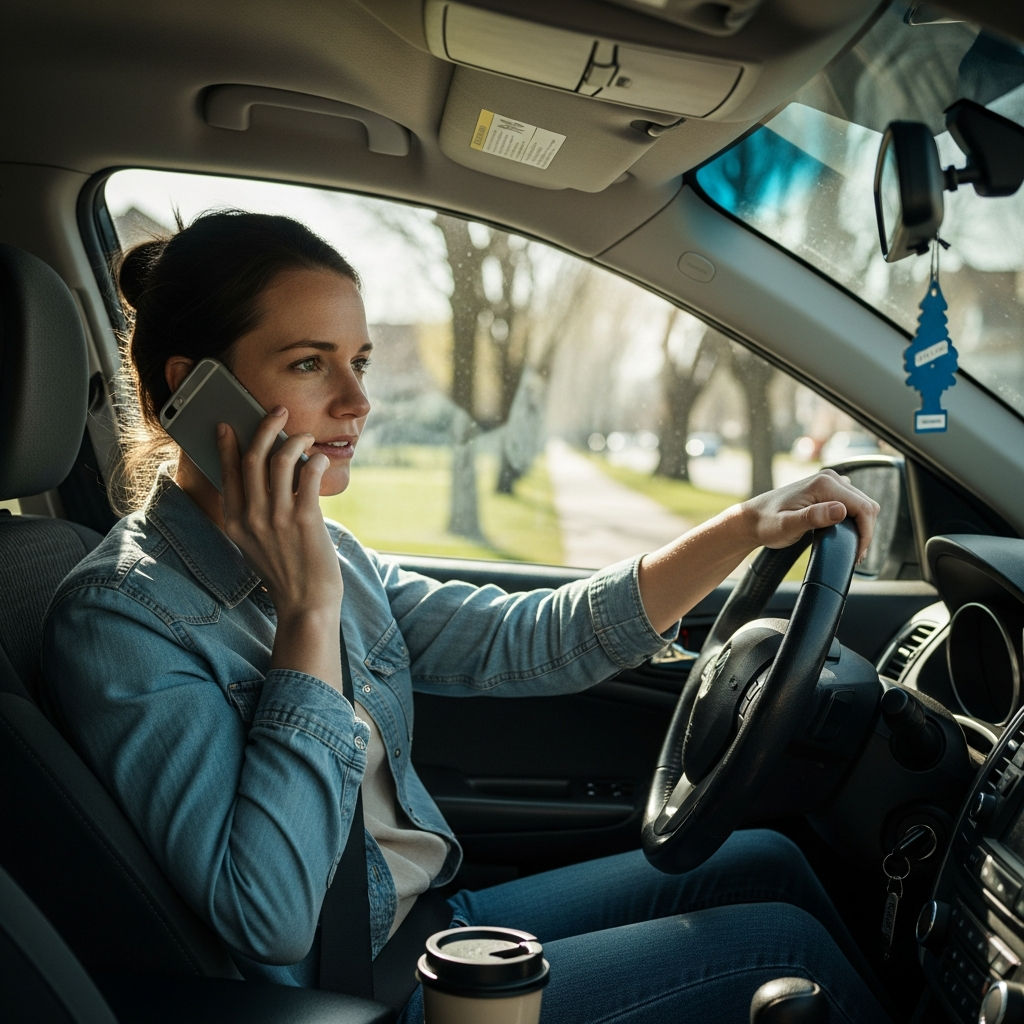
What to do in a fender bender?
You’re sitting at a red light, probably scrolling through your phone (don’t worry, we’ve all been there), when suddenly – THUD. Your whole body jolts forward, your coffee spills across the dashboard, and your heart starts racing like you just ran a marathon. You glance in the rearview mirror and see it: another car’s front bumper kissed yours a little too enthusiastically.
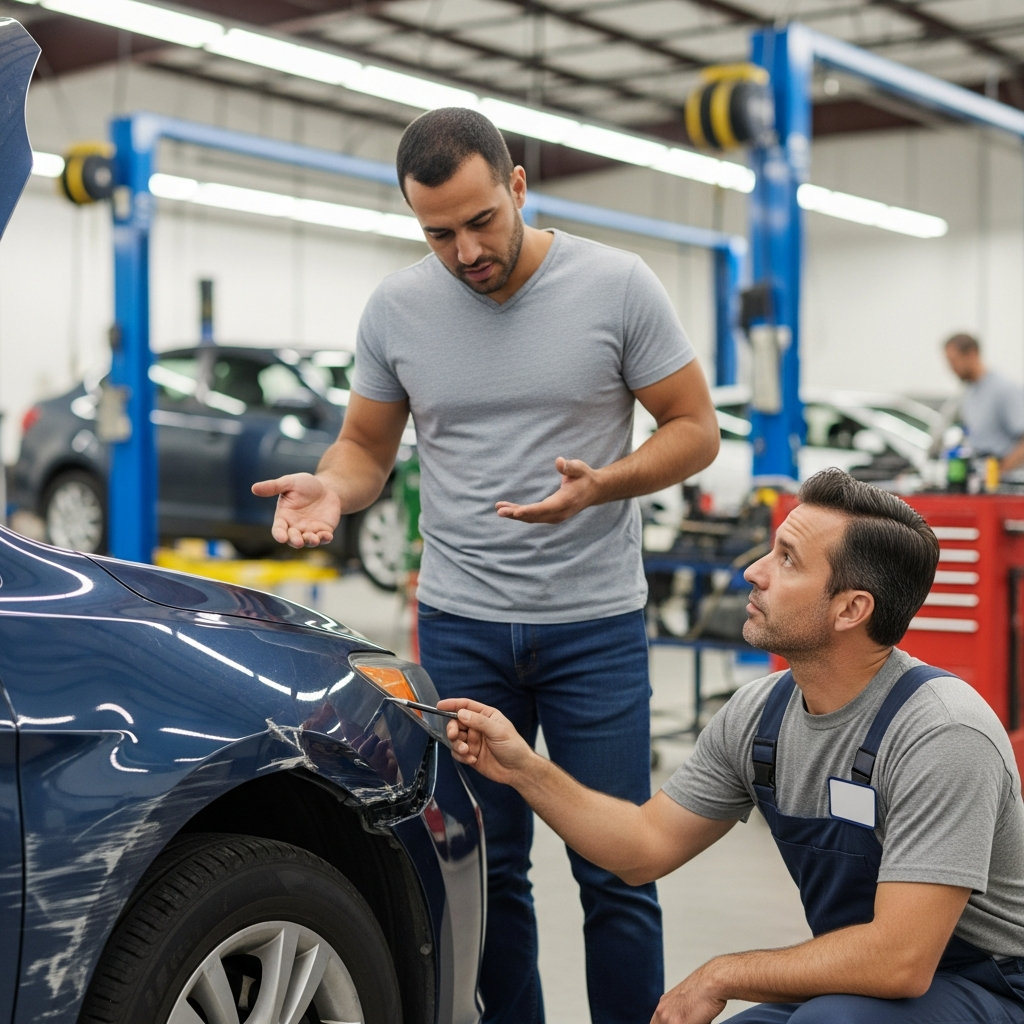
Welcome to the club nobody wants to join – the “I’ve been in a fender bender” club. If you haven’t experienced this particular brand of automotive anxiety yet… well, you’re probably going to. The National Highway Traffic Safety Administration tells us there are over 6 million car accidents every year in the US, and most of them? They’re these exact low-speed, parking-lot-speed bumps that leave you wondering what the heck you’re supposed to do next.
Here’s the thing – and this might sound weird coming from a health and wellness writer – but car accidents, even tiny ones, can mess with your body in ways you don’t expect. That jolt? It’s not just startling your nervous system. Your muscles tense up, your stress hormones spike, and if you don’t handle things properly (both physically and practically), what should be a minor inconvenience can turn into weeks of neck pain, insurance headaches, and that lovely stress-eating cycle we know all too well.
I learned this the hard way about three years ago. Picture this: I’m leaving the grocery store, thinking about whether I remembered to buy quinoa (spoiler alert – I didn’t), when someone backs into me at maybe 2 mph. Barely a tap, really. No visible damage to my car, just a tiny scuff on their bumper. “No big deal,” I thought. We exchanged info quickly, I drove home, and figured that was that.
Wrong. So very wrong.
Two days later, my neck felt like I’d been sleeping on a pile of rocks. A week after that, I was dealing with insurance adjusters who apparently spoke a different language than the rest of us. And because I didn’t properly document everything at the scene – you know, because it seemed so minor – I spent hours on the phone trying to piece together details I couldn’t quite remember.
The whole experience taught me something important: there’s a right way and a wrong way to handle these situations, and the difference between the two can literally affect your health, your wallet, and your peace of mind for months afterward.
See, most of us think we know what to do in a “real” accident – you know, the dramatic ones with sirens and ambulances and twisted metal. But these little fender benders? They’re trickier. They happen in that gray area where you’re not sure if you should call the police, whether it’s worth involving insurance, or if you should just shake hands and pretend it never happened.
And here’s what nobody tells you: your body doesn’t distinguish between a “minor” accident and a major one when it comes to that initial stress response. Your sympathetic nervous system kicks into high gear either way. Your muscles brace for impact. Your cortisol levels spike. All of this can lead to delayed pain, sleep disruption, and yes – stress eating. Because when your body thinks it’s been through trauma, it often craves comfort… usually in the form of whatever’s in your pantry.
That’s why knowing exactly what to do in those first crucial minutes after a fender bender isn’t just about protecting your car or your insurance rates – though we’ll definitely cover that. It’s about protecting your overall wellbeing.
We’re going to walk through everything together: those immediate steps you need to take while your heart’s still pounding (there’s a specific order that matters), how to document things properly so you don’t end up in insurance purgatory, when to seek medical attention even when you feel “fine,” and honestly? How to manage the stress and physical tension that comes with the whole experience.
Because the goal isn’t just to handle your next fender bender correctly – though you absolutely will after reading this. The goal is to get through it with your sanity, your health, and your wallet as intact as possible.
Ready? Let’s make sure you’re prepared for something you hopefully never have to use.
The Split-Second Reality Check
You know that moment when you’re driving along, maybe thinking about what’s for dinner or that meeting tomorrow, and then… crunch. Time does this weird thing where it simultaneously slows down and speeds up. Your brain’s trying to process what just happened while your heart’s doing its best impression of a jackhammer.
Here’s the thing about fender benders – they’re like pop quizzes you never studied for. And just like those dreaded surprise tests, the more you know beforehand, the better you’ll handle it when it actually happens.
The term “fender bender” itself is pretty misleading, isn’t it? It sounds so innocent, like you’ve just slightly dented a guitar or something. In reality, even minor accidents can trigger a cascade of legal, financial, and emotional complications that’ll make your head spin faster than a washing machine on the fritz.
Why Your Brain Goes Haywire
Let’s talk about what’s actually happening in your head during those first few moments. Your sympathetic nervous system – think of it as your body’s internal alarm system – kicks into high gear. It’s the same response our ancestors had when facing a saber-toothed tiger, except instead of “fight or flight,” you’re dealing with “assess the damage and exchange insurance information.”
This adrenaline surge is why people often make poor decisions immediately after an accident. You might find yourself apologizing profusely (even when it wasn’t your fault), or conversely, getting defensive and argumentative. It’s perfectly normal, but it’s also why having a game plan matters so much.
Your memory becomes unreliable too. Studies show that traumatic events – even minor ones like fender benders – can create gaps or distortions in our recollection. What felt like five minutes of impact might have been five seconds, or vice versa.
The Legal Landscape (Sorry, But It’s Complicated)
Now, I wish I could tell you that determining fault in a car accident is straightforward, but… it’s not. Not even close. Every state has different laws, and some operate under what’s called “no-fault” insurance systems. It’s like playing a board game where the rules change depending on which state you’re in.
In traditional fault-based states, someone has to be deemed responsible for the accident – and their insurance pays. Sounds simple enough, right? Well, then you’ve got comparative negligence (where fault can be split between parties) and contributory negligence (where even being 1% at fault can eliminate your claim entirely). Yeah, it’s as confusing as it sounds.
No-fault states try to simplify things by having each person’s insurance cover their own damages, regardless of who caused the accident. The catch? You typically can’t sue the other driver unless injuries meet certain thresholds. It’s like having a “no blame” policy at a dinner party – everyone cleans up their own mess, but sometimes the mess is too big for that approach.
The Insurance Reality Check
Here’s something that might surprise you: your insurance company isn’t necessarily your best friend after an accident. I know, I know – you’ve been paying premiums faithfully for years, maybe even decades. But insurance companies are businesses, and businesses exist to make money.
This doesn’t make them evil villains twirling their mustaches, but it does mean they have interests that don’t always align perfectly with yours. Think of it like a friendly negotiation with someone who’s really, really good at friendly negotiations.
Your adjuster might seem helpful and sympathetic (and many genuinely are), but they’re also trained to settle claims for as little as possible. It’s not personal – it’s just business. Understanding this dynamic ahead of time can save you from feeling betrayed or confused later.
The Ripple Effect You Don’t See Coming
A fender bender isn’t just about the immediate damage to your car. It’s more like dropping a pebble in a pond – those ripples spread out in ways you might not expect. Your insurance rates could go up, even if the accident wasn’t your fault. Some states have “accident forgiveness” programs, but others… well, they’re less forgiving.
Then there’s the hidden costs: rental cars, time off work, medical evaluations (even if you feel fine initially), and the general hassle of dealing with repairs. That “minor” fender bender can easily cost thousands of dollars, even when everyone walks away uninjured.
The emotional toll is real too. Some people develop anxiety about driving, especially in similar conditions to their accident. Others become hypervigilant, constantly worried about the next potential collision. It’s completely normal, but it’s also something worth acknowledging and addressing if it happens to you.
Stay Calm and Think Smart – Your First 60 Seconds Matter
Okay, here’s what nobody tells you about those first moments after impact: your brain is going to do weird things. You might feel perfectly fine, then suddenly shaky. That’s normal – it’s adrenaline doing its job.
Take three deep breaths before you do anything else. I know it sounds like yoga instructor advice, but trust me on this. Those breaths give your nervous system a chance to reset and help you think clearly instead of just reacting.
Check yourself first – any pain, dizziness, or that “something’s not right” feeling in your body? Don’t tough it out. Even if you feel fine now, soft tissue injuries can take hours to show up. Your neck might feel perfect until tomorrow morning when you can’t turn your head.
The Phone Call Strategy That Actually Works
Here’s where most people mess up: they call their insurance company first. Wrong move.
Call 911 if there are any injuries – even if someone just says their back “feels a little sore.” You want that documented by professionals, not left to he-said-she-said later. Plus, in many states, you’re required to call police for any accident with injuries or significant property damage.
But here’s the insider tip: while you’re waiting for the officer, take photos of EVERYTHING. And I mean everything – the damage to both cars, the license plates, the street signs, the position of the vehicles, any skid marks, even the weather conditions. Take wide shots showing the whole scene, then close-ups of every scratch and dent.
Why? Because cars get moved, memories get fuzzy, and insurance adjusters weren’t there. Your phone’s timestamp on those photos? That’s evidence that can’t be argued with.
The Information Exchange That Protects You
Don’t just swap insurance cards and call it a day. Get their full name (check their driver’s license – people give nicknames), phone number, insurance company AND policy number, driver’s license number, and license plate number.
Write down the make, model, year, and color of their vehicle. Sounds obvious, but you’d be surprised how “dark blue Toyota” becomes “black Honda” when you’re trying to remember later.
Here’s what experienced drivers know: get the name of their insurance agent if they have one. That person becomes your direct line to getting things resolved quickly instead of sitting in phone queue hell with the 1-800 number.
And document any passengers – their names and contact info too. They’re witnesses to what happened, even if they were just along for the ride.
What to Say (And What NOT to Say)
This is crucial: stick to the facts, not your interpretation of what happened. “The cars collided at the intersection” is good. “He ran the red light!” is bad, even if you’re absolutely certain that’s what happened.
Never, ever say “I’m sorry” – even if you’re just being polite. Those words can come back to bite you later when fault gets determined. I’ve seen claims get complicated because someone said “I’m so sorry this happened” and it got twisted into an admission of guilt.
Instead, stick to neutral phrases: “I didn’t see you there” or “This happened pretty fast.” Save your analysis for the police report and your insurance company.
The Police Report Reality Check
If the officer seems rushed or dismissive, don’t let them brush off details. Politely ask them to note any injuries (even minor ones), road conditions, or if either driver seems impaired or distracted.
Get the report number and ask how to get a copy once it’s filed. Most departments have online portals now, but the process varies wildly by location.
Here’s something most people don’t realize: you can usually add a statement to the police report later if you remember important details. Don’t assume it’s set in stone just because the officer drove away.
Before You Drive Away
Check that your car is actually safe to drive. Are the lights working? Can you see out of all windows? Is there any fluid leaking? Sometimes damage that looks minor can affect safety systems or cause mechanical problems down the road.
If there’s any doubt, call for a tow truck. Yes, it’s a hassle and costs money upfront, but it’s better than breaking down on the highway or discovering your brakes aren’t working properly when you need them most.
Your insurance will typically cover the tow if it’s related to a covered claim anyway.
When Your Brain Goes Completely Blank
You know that feeling when you walk into a room and completely forget why you went there? Yeah, that’s basically your brain during a fender bender – except with way higher stakes. Even if you’ve mentally rehearsed this scenario a dozen times, the actual moment hits different.
The shock can be… intense. Your hands might shake, you might feel dizzy, or you could find yourself strangely calm while everyone else seems to be losing it. All of these reactions are totally normal, by the way. Your body’s just doing its fight-or-flight thing.
Keep a simple checklist on your phone – seriously, right now, open your notes app and jot down the basics: check for injuries, call 911 if needed, move to safety, exchange information, take photos. When your brain’s in overdrive, having something concrete to look at helps more than you’d think.
The Other Person is Acting… Sketchy
Here’s what they don’t tell you in those neat little insurance pamphlets – sometimes people get weird after accidents. Really weird. They might be overly apologetic one minute, then suddenly claim the whole thing was your fault. Or they’ll seem totally fine initially, then start complaining about mysterious injuries.
Some folks will try the whole “let’s just handle this between ourselves” routine, especially for minor damage. I get the appeal – who wants insurance rates to go up? But here’s the thing… that small dent might reveal frame damage later, or they could develop “whiplash” next week and suddenly you’re dealing with lawyers.
Always, always file a police report if possible – even for minor accidents. And if the other person refuses to provide insurance information or seems impaired in any way? That’s when you definitely need the cops involved. Trust your gut on this one.
Your Phone Dies at the Worst Possible Time
Because of course it does. Murphy’s Law is basically written into the universe’s code, isn’t it?
This is why – and I cannot stress this enough – you should keep a car emergency kit that includes a phone charger. Not just any charger, but one that plugs into your car’s power outlet. Also throw in a disposable camera (yes, they still make those), pen, paper, and a printed copy of your insurance card.
Take photos of everything while your phone still has juice – the damage to both cars from multiple angles, license plates, the other driver’s insurance card, their driver’s license, the street signs or landmarks showing where you are. If your phone’s dying, prioritize the insurance exchange over perfect documentation.
The Damage Looks Minor, But…
That little scratch might not seem like much, but modern cars are basically computers with wheels wrapped around them. What looks like a tiny bumper tap could’ve messed with sensors, cameras, or other expensive bits you can’t see.
I’ve heard countless stories of people thinking they got off easy with a small dent, only to get a repair estimate that makes their mortgage payment look reasonable. Those plastic bumpers? They’re often hiding thousands of dollars worth of technology.
Get a professional inspection even for minor damage. Many shops will do a quick look for free, and it’s way better to know now than to discover issues later when you’re trying to sell your car or – worse – when safety systems fail when you actually need them.
Insurance Companies Speaking in Riddles
Adjusters use language that sounds like English but somehow makes no sense. “We’re finding liability concerns regarding the comparative negligence assessment…” What does that even mean?
Don’t be afraid to ask them to explain things in normal human words. They deal with this stuff every day – you don’t. It’s literally their job to help you understand the process, so make them do it.
Document every conversation – date, time, person’s name, what was discussed. Insurance companies have notes about everything you say, so you should too. And if something doesn’t sound right or you’re feeling pressured, it’s totally okay to say “I need to think about this” and call back later.
Sometimes having a friend or family member on these calls helps too – they can ask questions you might not think of and catch details you miss.
What Happens Next – The Real Timeline
Here’s the thing about fender benders – they’re like dominoes. One little bump sets off a whole chain of events that can stretch out way longer than you’d think. I wish I could tell you everything wraps up in a week, but… well, that’s not usually how it goes.
Most minor accidents take anywhere from two to eight weeks to fully resolve. I know, I know – that seems like forever when you’re dealing with a dented bumper and rental car receipts. But there’s a lot moving behind the scenes that you might not realize.
Your insurance company needs time to investigate (yes, even for obvious cases), get repair estimates, coordinate with the other driver’s insurance if they’re at fault, and process all the paperwork. It’s not that they’re dragging their feet – okay, sometimes they are – but there are genuine steps that just take time.
The First Week – Paperwork and Waiting
Right after you file your claim, expect a flurry of activity… followed by radio silence. Your adjuster will probably call within 24-48 hours to take your statement. They might ask you to repeat details you already gave when you first called – don’t worry, this is normal. They’re just being thorough.
If the other driver was clearly at fault (rear-ended you at a stoplight, ran a red light, that sort of thing), your insurance company will start the subrogation process. That’s just fancy talk for “we’re going to get our money back from their insurance company.” This can actually speed things up for you since your insurer has more incentive to move quickly.
You’ll get a claim number – write it down somewhere you won’t lose it. You’ll be using it a lot over the next few weeks.
Getting Your Car Looked At
Most insurance companies want their own adjuster or a preferred shop to assess the damage. Don’t take your car to get repaired yet – I repeat, don’t start repairs until you get the green light. I’ve seen people get stuck with bills because they jumped the gun.
The damage assessment usually happens within the first week, though it might take longer if you live somewhere rural or if there’s a backlog (hello, hail season). Sometimes they can do it virtually now – you upload photos through an app, which honestly works better than you’d expect for minor damage.
When Things Get Complicated
Not all fender benders are straightforward. Maybe the other driver is claiming you’re partially at fault when you know you’re not. Or their insurance company is being difficult about accepting liability. These situations can drag on for months – and that’s frustrating as hell, but it’s also completely normal.
If there’s a dispute about fault, both insurance companies will investigate. They’ll look at photos, police reports, witness statements… sometimes even hire accident reconstruction experts for more serious cases. This process alone can take 4-6 weeks.
The Repair Process – Patience Required
Once everything’s approved, you’ll think you’re in the home stretch. And you are… sort of. Getting repair appointments can take another week or two, especially if you need parts ordered. Some auto parts are backordered for weeks right now – it’s been a thing since the pandemic and hasn’t fully recovered.
The actual repair time varies wildly. A simple bumper replacement might take two days. But if there’s frame damage you didn’t initially notice, or if the shop finds additional problems once they start working… well, that two-day job becomes a two-week ordeal.
Managing Your Expectations (and Your Sanity)
The hardest part about all this? The waiting. And the not knowing. Your adjuster might go days without calling you back – they’re juggling dozens of claims, and honestly, no news is usually good news.
Keep a simple log of who you talk to and when. Take photos of everything. Save all your receipts if you’re paying out of pocket for anything initially. And remember – this too shall pass. I know it feels like your life is on hold, but you’ll get through this.
One last thing… if you’re getting a rental car covered by insurance, don’t assume it’s unlimited. Most policies have daily and total limits. Ask upfront so you’re not surprised by a bill later.
The whole process feels like bureaucratic quicksand sometimes, but stay patient. Most people end up reasonably satisfied with how things turn out – it just takes longer than anyone wants it to.
Taking Care of Yourself After the Dust Settles
You know what’s funny? We spend so much time thinking about the immediate aftermath – the insurance calls, the repair estimates, the paperwork – that we sometimes forget about the person behind the wheel. That’s you. And honestly? You matter more than any dented bumper or scratched paint.
Car accidents, even minor ones, have this sneaky way of sticking with us. Your body might feel fine in the moment (hello, adrenaline), but don’t be surprised if you wake up tomorrow feeling like you wrestled with a particularly aggressive shopping cart. Whiplash doesn’t always announce itself right away, and those stress hormones can leave you feeling wrung out for days.
Here’s something most people don’t talk about – the emotional stuff. Maybe you keep replaying those few seconds in your head… what if you’d left the house two minutes earlier? What if that other driver had been paying attention? It’s completely normal to feel shaken up, even angry, or weirdly guilty about something that wasn’t your fault. Your brain is just trying to make sense of it all.
The practical side matters too, obviously. Follow up with your doctor if anything feels off – and I mean *anything*. That slight neck stiffness? The headache that won’t quit? Don’t brush it off as “just stress.” Your body went through something, even if it seems minor compared to what could have happened.
And please, be gentle with yourself over the next few days. Maybe you’re usually the person who powers through everything, but this might be a good time to accept help when it’s offered. Let someone else handle dinner. Take that hot bath. Sleep in if you can. Your nervous system needs time to reset.
Actually, that reminds me – this whole experience might have stirred up some thoughts about your overall health and stress levels. Sometimes these unexpected moments become wake-up calls, don’t they? Like when you realize you’ve been running on empty for months, or that you haven’t been taking care of yourself the way you deserve.
If you’ve been putting off addressing things like chronic stress, poor sleep, or weight concerns that have been weighing on your mind… well, there’s never a perfect time to start taking better care of yourself, but there are definitely moments when it feels more urgent. When you realize how precious and fragile our daily routines really are.
You Don’t Have to Figure It All Out Alone
Look, whether you’re dealing with the physical aftermath of this fender bender or it’s sparked some bigger thoughts about your health and wellbeing, you don’t have to navigate everything solo. We’re here if you need support – whether that’s helping you manage stress-related weight concerns, improving your sleep, or just having someone who understands that sometimes life throws curveballs when we least expect them.
Taking care of yourself isn’t selfish. It’s necessary. And if today feels like the day to finally prioritize your health? We’d love to chat about how we can help make that easier than you think. Give us a call – we’re pretty good listeners, and we’ve helped plenty of people who thought they had to handle everything on their own.